
Raw Hair vs Virgin Hair: What's Actually the Difference?
Raw hair and virgin hair are not the same thing. Here is the real difference and why it matters for your money.
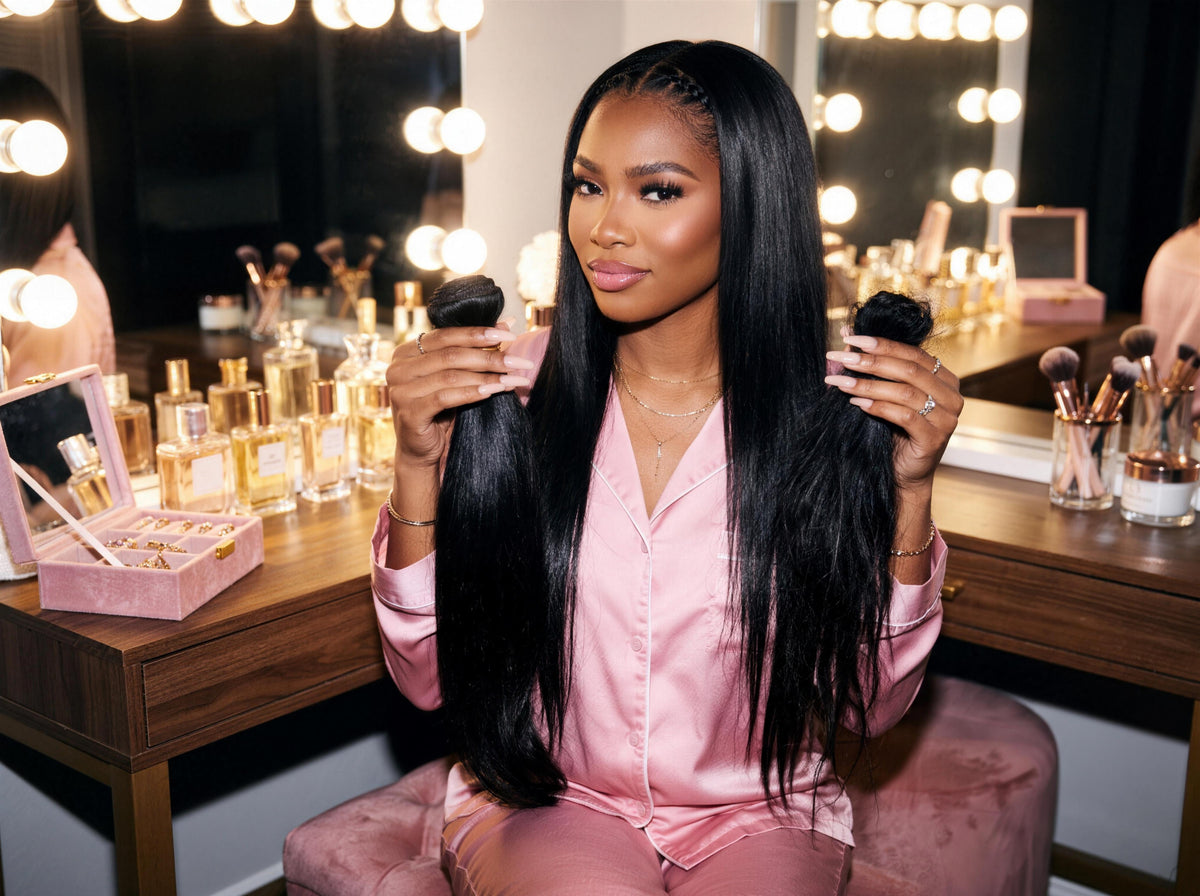
Raw hair and virgin hair. You see both terms everywhere, often used interchangeably, as if they mean the same thing. They don't. And if you're spending serious money on hair, you need to know the difference.
What is virgin hair?
Virgin hair means the hair has never been chemically dyed or permed. That's it. Virgin simply means undyed.
But here's what virgin hair doesn't guarantee: that it comes from a single donor. That the cuticles are intact. That it hasn't been steam processed to alter the texture. That it hasn't been treated with silicone or other coatings. Virgin hair can come from multiple donors. Virgin hair can have its cuticles stripped and then be coated in silicone. Virgin hair can be steamed to create a wavy or curly texture that doesn't naturally exist in the hair. All of this is perfectly legal under the label 100% virgin human hair.
What is raw hair?
Raw hair is a much higher standard. Raw hair means:
Single donor: all hair in the bundle comes from one person. This keeps the cuticles aligned in the same direction, which helps prevent tangling and matting.
Completely unprocessed: no chemicals, no steam, no factory processing of any kind. The texture is whatever texture the donor naturally had.
Cuticles intact: the outer protective layer of the hair is preserved, which gives raw hair its strength, shine, and longevity.
No coatings: what you feel is the actual hair, not a silicone finish that will wash away after a few shampoos.
Why does this matter in practice?
Virgin hair often looks and feels beautiful in the packaging. The silicone coating makes it soft and shiny. But that coating washes out. After a few shampoos, the tangling starts, the texture changes, and the shine disappears. Most women are back shopping for a new set within 6–12 months.
Raw hair behaves differently from the very first wash. Because the cuticles are intact and aligned, the hair is much less likely to tangle when wet. Because there's no silicone coating, the texture doesn't change over time. With proper care, raw hair lasts 3–5 years.
Why is raw hair more expensive?
Because it's genuinely harder to source. Single-donor hair requires collecting from one person at a time rather than mixing hair from multiple sources. The quality control requirements are stricter. And the supply is naturally more limited.
You're also paying for longevity. A set of raw hair at $400–$600 CAD that lasts 4 years costs far less per year than a set of virgin hair at $150 CAD that you replace every 8 months.

How do you tell the difference when shopping?
Ask the brand two questions: Is this single donor? Has the hair been steam processed or chemically altered in any way? A legitimate raw hair brand can answer both with confidence. If the brand doesn't know, or the answer is vague, the hair is not raw regardless of what the label says.
At Candal Beauty, every bundle we carry is 100% raw, single donor and unprocessed, with no coatings and no steam. Shop our full collection: Raw Indian Wavy, Raw Indian Curly, Raw Vietnamese Straight, Raw Burmese Curly, or shop all raw hair extensions. Questions? DM us on Instagram @candalbeauty.
Love, Candice
“Virgin means undyed. Raw means single donor, unprocessed and cuticles intact.”
Founder of CandalBeauty. Since 2023, Candice has personally checked every order before it ships.
Keep reading
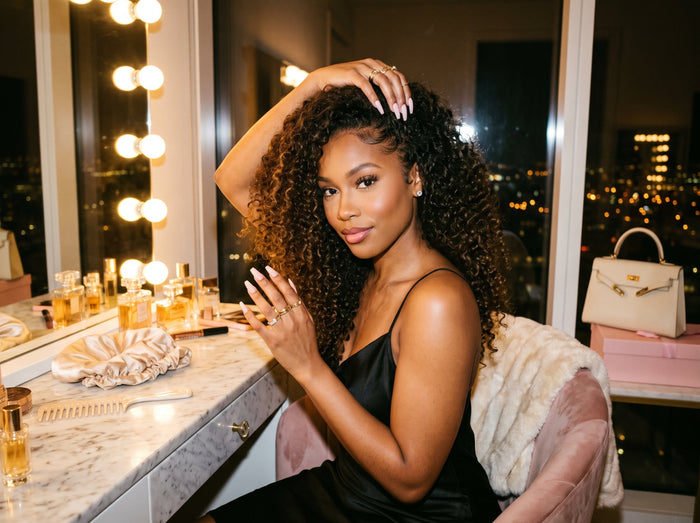
What Is Raw Burmese Curly Hair? The Honest Guide
Raw Burmese curly hair gives big, soft 3B–3C curls, but a lot of "Burmese curly" online is just a style...
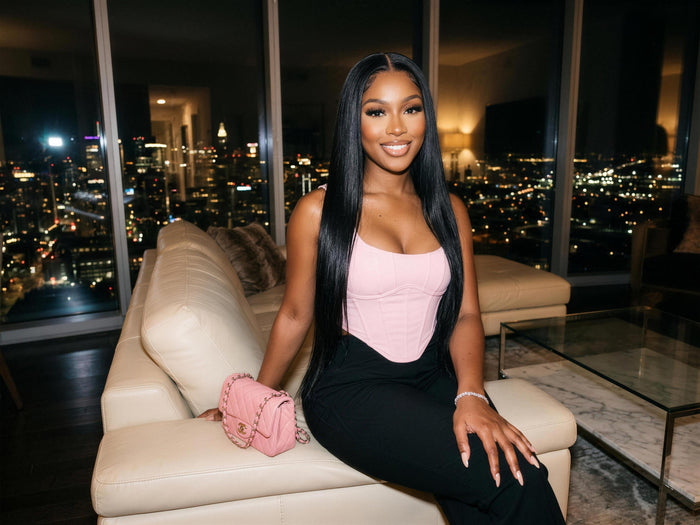
Raw Vietnamese Straight Hair: The Complete Buyer's Guide
Everything to know about raw Vietnamese straight hair: what it is, how it compares to Indian hair and how to...
Raw Hair Extensions in Canada: What to Know Before You Buy
Buying raw hair in Canada? What to look for, what to avoid, and why buying from a Canadian brand saves...