

Permanent Extensions: Complete Guide for 2026
Permanent extensions have transformed how people approach hair styling, offering long-lasting volume, length, and versatility that temporary solutions simply cannot match. Unlike clip-ins that require daily application and removal, permanent extensions stay secured in your hair for weeks or months at a time, becoming a seamless part of your natural look. This comprehensive guide explores the world of permanent hair extension methods, helping you understand which technique best suits your lifestyle, hair type, and aesthetic goals in 2026.
Understanding Permanent Extensions and Their Benefits
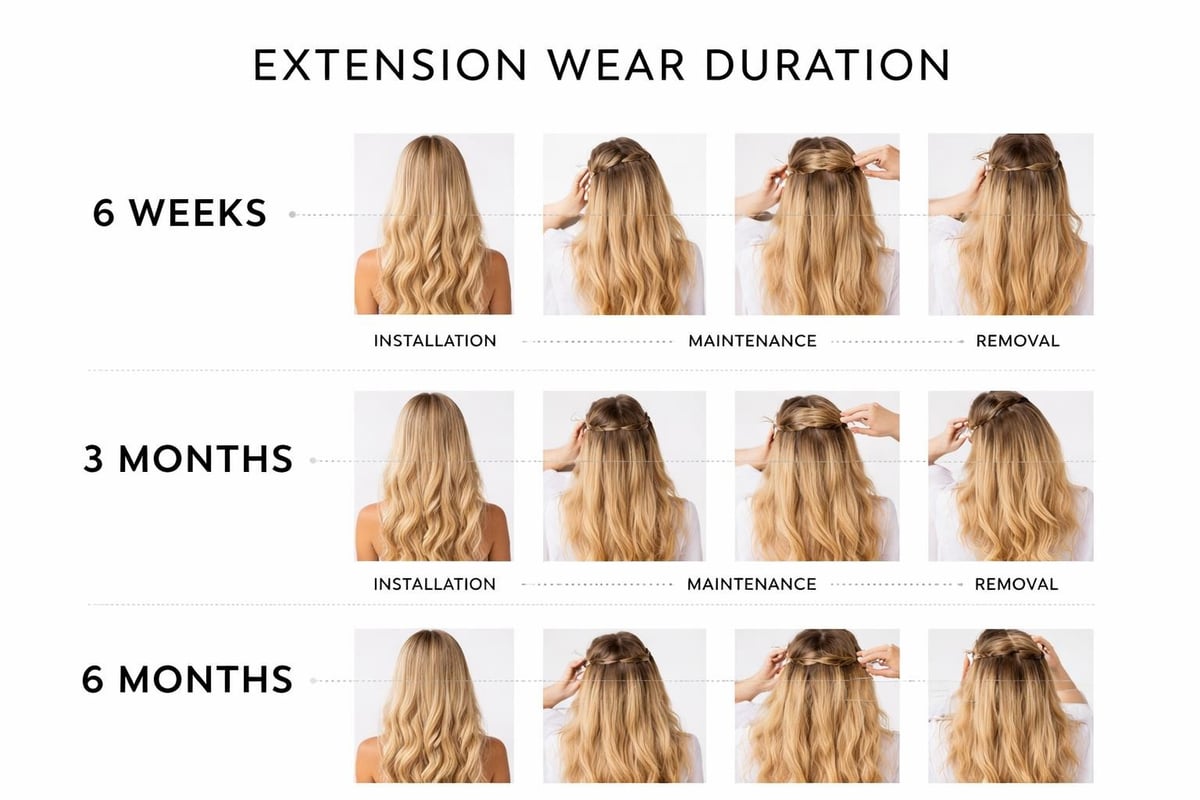
Permanent extensions represent a category of hair enhancement methods designed for extended wear, typically lasting anywhere from six weeks to several months depending on the installation technique and maintenance routine. These methods include sew-in weaves, fusion bonds, micro links, tape-ins, and other professional application systems that integrate extensions with your natural hair.
The primary advantage of permanent hair extensions lies in their convenience and natural appearance. Once installed by a professional stylist, you can wash, style, and sleep with your extensions just like your natural hair. This hands-free approach eliminates the daily routine of attaching and removing temporary extensions, saving valuable time while maintaining a consistent look.
Key benefits include:
- Consistent volume and length without daily styling effort
- Ability to swim, exercise, and sleep without removal
- Natural movement and blending with your own hair
- Cost-effectiveness over time compared to frequent salon visits
- Freedom to experiment with various hairstyles and textures
The investment in permanent extensions extends beyond the initial installation cost. When properly maintained, these extensions can last significantly longer than temporary alternatives, making them an economical choice for individuals committed to maintaining enhanced hair volume and length.
Popular Types of Permanent Extension Methods
Sew-In Weaves
Sew-in weaves remain one of the most trusted permanent extension methods, particularly favored for their security and versatility. This technique involves braiding the natural hair into cornrows and sewing hair wefts onto the braids using a needle and thread. The method provides excellent protection for natural hair while supporting substantial volume and length additions.
Traditional sew-ins typically last six to eight weeks before requiring maintenance, though this timeframe varies based on hair growth rate and care routine. The technique works exceptionally well with raw hair bundles that offer natural texture and movement.
| Sew-In Type | Duration | Best For | Maintenance Level |
|---|---|---|---|
| Full Sew-In | 6-8 weeks | Complete coverage | Moderate |
| Partial Sew-In | 6-8 weeks | Adding volume | Moderate |
| Vixen Sew-In | 6-8 weeks | Versatile styling | High |
| Braidless Sew-In | 4-6 weeks | Fine hair | Low |
Fusion and Keratin Bonds
Fusion bonding uses heat to attach individual extension strands to small sections of natural hair using keratin-based adhesive. This method creates an incredibly natural look with maximum flexibility in styling. The bonds are small, virtually invisible, and move naturally with your hair.
Keratin bond extensions typically last three to four months with proper care and maintenance. The application process requires significant time investment, often taking four to six hours depending on the desired fullness, but the results deliver unparalleled natural appearance.
Micro Link and Nano Ring Extensions
Micro link extensions, also known as micro beads or I-tips, use small metal rings to secure extension strands to natural hair without heat or adhesive. This method offers a gentler alternative to fusion bonding while still providing long-lasting results. Nano rings represent an even smaller version, ideal for finer hair types.
Installation process:
- Section natural hair into small, precise parts
- Thread extension strand and natural hair through metal ring
- Use specialized pliers to clamp ring securely
- Repeat throughout desired areas for full coverage
- Blend and style for seamless integration
These extensions can last three to four months and allow for easy tightening appointments as natural hair grows. The absence of heat or chemicals makes them particularly appealing for maintaining hair health.
Tape-In Extensions
Tape-in extensions use pre-taped wefts that sandwich natural hair between two adhesive strips. This semi-permanent method offers quick application, typically completed within one to two hours, and can last six to eight weeks before requiring repositioning.
The flat, thin design of tape-ins makes them comfortable to wear and less detectable than some other methods. However, they require specific care products that won't break down the adhesive bonds, and certain hairstyles may reveal the tape lines if not properly installed.
Choosing the Right Permanent Extension Method for Your Hair
Selecting the appropriate permanent extension technique depends on several critical factors that influence both the installation success and long-term satisfaction with your results. Your natural hair texture, density, and condition play fundamental roles in determining which methods will work best.
Fine or thin hair benefits most from lightweight options like nano rings or tape-ins that won't strain delicate strands. These methods distribute weight more evenly and minimize tension on the scalp. Heavy sew-in weaves may prove too demanding for fine hair, potentially causing breakage or thinning.
Thick, coarse hair can support virtually any permanent extension method, though sew-in weaves and fusion bonds often provide the most secure attachment and natural blending. The density allows for more substantial volume additions without visible demarcation lines.

Your lifestyle considerations significantly impact method selection. Active individuals who swim frequently should avoid tape-ins, as chlorine and salt water can compromise adhesive bonds. Fusion bonds or sew-ins offer better water resistance for athletic lifestyles.
Budget constraints also factor into the decision-making process. While sew-in weaves typically represent the most affordable permanent option with professional installation ranging from $200 to $600, fusion bonding can cost $1,000 to $3,000 depending on the amount of hair required. Understanding the commitment involved in permanent extensions helps set realistic expectations for both time and financial investment.
Professional Installation and Why It Matters
Professional installation stands as a non-negotiable requirement for permanent extensions, distinguishing them from temporary clip-in alternatives that allow for DIY application. The precision, technique, and expertise required to properly install permanent extensions cannot be replicated without extensive training and experience.
Certified extension specialists understand hair structure, growth patterns, and proper placement techniques that ensure both aesthetic appeal and hair health preservation. Improper installation can lead to tension alopecia, visible tracks, uneven distribution, or premature extension failure. Professional services provide accountability and expertise that protects your investment.
What to expect during professional installation:
- Comprehensive consultation about goals and hair assessment
- Hair preparation including washing and sectioning
- Precise application following proven techniques
- Quality check ensuring secure attachment and natural appearance
- Detailed aftercare instructions and maintenance schedule
- Follow-up appointment booking for adjustments or removal
The installation appointment duration varies significantly by method. Tape-ins might require only one to two hours, while full fusion applications can extend to six hours or more. Planning adequate time ensures the stylist can work without rushing, delivering superior results.
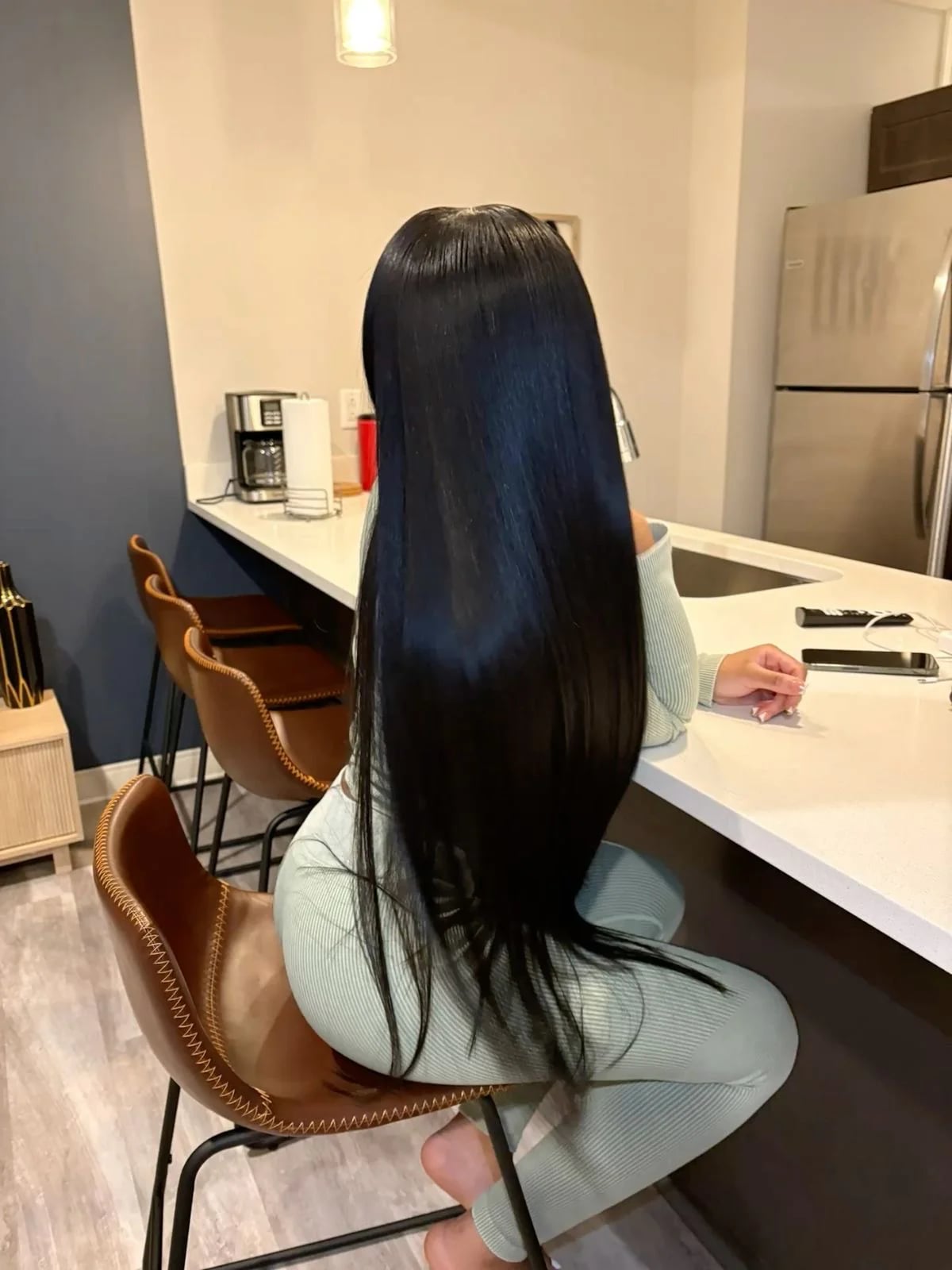
When choosing raw hair extensions for permanent installation, quality becomes paramount. Premium raw hair from sources like Candal Beauty ensures longevity and natural integration with your own hair texture, maximizing your investment in both the hair and the installation service.
Maintenance Requirements for Long-Lasting Results
Proper maintenance separates successful permanent extension experiences from disappointing ones, directly impacting how long your extensions last and how healthy they appear throughout their wear period. Establishing a solid care routine from installation day protects both your natural hair and your extension investment.
Daily Care Practices
Brushing technique requires specific attention with permanent extensions. Always use a loop brush or extension-safe brush designed to glide through without catching on bonds or beads. Start brushing from the ends and work upward in small sections, holding hair at the root to prevent pulling on attachment points.
Nighttime protection prevents tangling and matting that can damage both extensions and natural hair. Braiding hair into one or two loose plaits or securing it in a low ponytail using a silk scrunchie minimizes friction during sleep. Sleeping on a silk or satin pillowcase further reduces friction and helps maintain moisture.
Washing and Conditioning
Wash frequency should decrease with permanent extensions compared to natural hair alone. Most methods require washing only two to three times per week to prevent excessive drying while maintaining scalp health. Sulfate-free, extension-safe shampoos protect both the hair quality and the attachment bonds.
Proper washing technique:
- Thoroughly brush hair before wetting to remove tangles
- Apply shampoo primarily to the scalp, avoiding vigorous rubbing
- Rinse thoroughly, allowing water to flow downward through lengths
- Apply conditioner from mid-length to ends, avoiding bonds or attachments
- Rinse completely with lukewarm or cool water
- Gently squeeze excess water without twisting or wringing
Conditioning treatments should focus on the hair lengths rather than the roots to prevent loosening bonds or creating buildup around attachment points. Deep conditioning once weekly maintains softness and manageability. For comprehensive guidance, explore raw hair care recommendations that apply to permanent installations.
Heat Styling Considerations
Heat styling remains possible with permanent extensions but requires temperature awareness and protective products. Most high-quality raw hair extensions can withstand heat up to 400 degrees Fahrenheit, though lower temperatures preserve hair integrity longer.
Always apply heat protectant spray before using hot tools, and avoid applying direct heat to bonds, beads, or tape attachments which can weaken or melt adhesives. When curling or straightening, maintain at least one inch distance from attachment points.
| Styling Tool | Safe Temperature | Protection Required | Frequency Limit |
|---|---|---|---|
| Blow Dryer | Medium-Low | Heat protectant | As needed |
| Flat Iron | 300-350°F | Heat protectant | 2-3x weekly |
| Curling Iron | 300-350°F | Heat protectant | 2-3x weekly |
| Hot Rollers | Low-Medium | Heat protectant | As needed |
Managing Maintenance Appointments and Adjustments
Permanent extensions require scheduled maintenance appointments to address natural hair growth and ensure continued security and appearance. The specific timing varies by method, but most require attention every four to eight weeks.
Sew-in maintenance involves removing the installation, washing and conditioning natural hair, re-braiding, and sewing in the same or new wefts. This process typically occurs every six to eight weeks, allowing for scalp care and preventing excessive tension from tight braids.
Fusion bond maintenance requires moving up bonds that have grown down with natural hair. This process involves removing the old keratin bond with a specialized solution, repositioning the extension strand closer to the scalp, and reapplying a new bond. Most clients need this service every three months.
Micro link and nano ring adjustments involve using pliers to open the rings, slide them closer to the scalp as hair grows, and re-clamping them securely. This straightforward process typically takes less time than full reinstallation and occurs every two to three months.
Missing scheduled maintenance appointments risks several complications. Extensions that grow too far from the scalp become visible, create tangling issues, and may cause matting at the roots. Severely overgrown installations can damage natural hair and make removal more difficult and time-consuming.
Cost Considerations and Long-Term Investment
Understanding the complete financial picture of permanent extensions helps set realistic budgets and expectations. Initial installation costs represent only part of the total investment, with ongoing maintenance, quality hair products, and eventual removal or replacement contributing to the overall expense.
Initial installation costs in 2026:
- Sew-in weaves: $200-$600 depending on coverage and hair amount
- Tape-in extensions: $400-$800 for full head application
- Micro link installations: $600-$1,200 based on density desired
- Fusion bonding: $1,000-$3,000 for complete application
These prices typically include labor but may or may not include the hair itself. Premium raw hair bundles add to the investment but provide superior longevity and appearance compared to processed alternatives. When calculating total costs, factor in that quality raw hair can often be reused through multiple installations, spreading the hair cost across several wear periods.
Maintenance appointments add recurring costs every four to eight weeks. Sew-in maintenance ranges from $75 to $200, while fusion bond move-ups cost $150 to $400 depending on the number of bonds requiring adjustment. These appointments prove essential for maintaining hair health and extension appearance.
Annual cost comparison:
| Method | Initial Install | Maintenance (4x/year) | Hair Cost | Annual Total |
|---|---|---|---|---|
| Sew-In | $400 | $600 | $300 | $1,300 |
| Tape-In | $600 | $800 | $400 | $1,800 |
| Micro Link | $900 | $1,000 | $500 | $2,400 |
| Fusion | $2,000 | $1,200 | $800 | $4,000 |
Beyond the direct service costs, budget for specialized care products including sulfate-free shampoos, extension-safe conditioners, heat protectants, and proper brushes. These products typically add $100 to $200 annually but prove essential for protecting your investment.
The value proposition of permanent extensions extends beyond simple cost analysis. Consider the time savings of not styling daily, the confidence boost from consistent appearance, and the versatility to achieve looks impossible with natural hair alone. For comprehensive information about pricing factors, explore human hair extension pricing considerations.
Health Considerations and Protecting Your Natural Hair
Maintaining natural hair health while wearing permanent extensions requires awareness, proper technique, and commitment to best practices. When installed and maintained correctly, permanent extensions can actually serve as protective styling that promotes natural hair growth by reducing daily manipulation.
However, improper installation or neglectful maintenance can cause significant damage including breakage, thinning, and traction alopecia. Understanding warning signs and taking preventive measures protects your natural hair throughout the extension wear period.
Warning signs of potential damage:
- Excessive shedding beyond normal daily loss
- Tender spots or pain at attachment points
- Visible thinning around hairline or part areas
- Persistent itching or scalp irritation
- Difficulty moving or styling due to tight application
Experiencing any of these symptoms warrants immediate consultation with your extension specialist. Continuing to wear extensions that cause discomfort or visible damage can lead to permanent hair loss in affected areas.
Scalp health requires particular attention with permanent extensions. Regular cleansing prevents buildup that can cause itching, odor, and potential infection. Diluted tea tree oil or specialized scalp treatments can address irritation without compromising extension bonds.
Giving your natural hair periodic breaks between installations allows recovery and assessment of hair condition. Many specialists recommend removing permanent extensions every nine to twelve months for a rest period of at least six weeks before reinstallation.
Styling Versatility with Permanent Extensions
One significant advantage of permanent extensions over temporary alternatives lies in the styling freedom they provide. Once installed, these extensions function like your natural hair, allowing for virtually any hairstyle without worrying about concealing clips or revealing attachment points.
Hairstyle possibilities include:
- High ponytails and top knots without visible tracks
- Intricate updos for special occasions or professional settings
- Half-up, half-down styles showing off length and volume
- Braided looks incorporating both natural and extension hair
- Beachy waves, tight curls, or sleek straight styles
The ability to achieve these diverse looks stems from proper installation that distributes extensions throughout the head rather than concentrating them in obvious areas. Strategic placement by a skilled professional ensures natural movement and styling capability from every angle.
Color creativity also expands with permanent extensions. While dying extensions requires caution and expertise, the ability to add highlights, lowlights, or dimensional color without damaging natural hair proves appealing for many clients. Some individuals install extensions in multiple shades for pre-blended dimension.
Swimming and exercise compatibility varies by extension method but remains possible with most installations when proper precautions are taken. Braiding hair before swimming, rinsing immediately after water exposure, and using leave-in conditioners help protect extensions during active lifestyles.
Removal Process and Transitioning Out
Professional removal proves as important as professional installation for maintaining hair health and preparing for either a reinstallation or returning to natural hair. Each permanent extension method requires specific removal techniques and tools that minimize damage to natural strands.
Sew-in removal involves carefully cutting the thread holding wefts to braided hair and gently unwinding the braids. This process typically takes thirty minutes to one hour depending on installation complexity. Rushing removal risks cutting natural hair along with thread.
Fusion bond removal requires applying a specialized bond remover solution that breaks down the keratin adhesive. The stylist applies the solution, allows it to penetrate the bond, and then gently slides the extension off the natural hair using pliers or fingers. Forcing bonds without proper solution causes significant breakage.
Micro link removal proves the most straightforward, involving opening each ring with pliers and sliding the extension strand free. This gentle process rarely causes damage when performed correctly, making it an appealing option for individuals concerned about hair health.
Following removal, natural hair requires deep conditioning treatment and careful detangling to address any matting or dryness that developed during the extension wear period. Many people experience shock shedding after removal, which represents the normal hair shed that would have occurred during the wear period but remained trapped in the installation.
Comparing Permanent Extensions to Alternative Options
Understanding how permanent extensions compare to other hair enhancement methods helps clarify whether they represent the right choice for your specific needs and preferences. Each option offers distinct advantages and limitations worth considering.
Clip-in extensions provide maximum flexibility with zero commitment, allowing daily application and removal. They cost less initially and require no professional installation, but demand daily styling effort and may shift or become visible during wear. For occasional use or those testing extension styling, clip-ins offer an accessible entry point.
Temporary tape-ins occupy a middle ground, lasting several weeks but requiring less commitment than multi-month installations. However, they still need professional application and present some of the same care requirements as longer-lasting methods.
Wigs and toppers provide instant transformation without any attachment to natural hair, making them ideal for individuals experiencing medical hair loss or seeking dramatic changes without permanent commitment. They require separate storage and maintenance but allow natural hair to rest completely. Explore premium wig options for comparison.
| Method | Duration | Commitment Level | Daily Effort | Cost Range |
|---|---|---|---|---|
| Clip-Ins | 1 day | None | High | $100-$500 |
| Temporary Tape | 2-4 weeks | Low | Low | $300-$600 |
| Permanent Extensions | 2-6 months | High | Low | $400-$4,000 |
| Wigs | Until removed | Medium | Medium | $200-$2,000+ |
The choice ultimately depends on lifestyle factors, budget constraints, and desired styling consistency. Individuals committed to maintaining enhanced hair for extended periods find permanent extensions most practical, while those preferring flexibility may favor removable options.
Common Mistakes to Avoid with Permanent Extensions
Learning from common pitfalls helps new extension wearers avoid damage and disappointment, ensuring a positive experience from installation through removal. Many issues stem from inadequate research, cost-cutting measures, or maintenance neglect.
Choosing inexperienced stylists based solely on price represents the most damaging mistake. Proper installation requires extensive training and practice. Saving money on installation often results in poor placement, visible tracks, or hair damage that costs far more to correct than investing in a qualified professional initially.
Purchasing low-quality hair creates numerous problems including excessive tangling, rapid deterioration, and unnatural appearance. Premium raw hair costs more upfront but maintains integrity throughout the wear period and often allows for reuse. Reading about signs of low-quality hair helps avoid this expensive mistake.
Insufficient maintenance between appointments causes matting, tangling, and potential damage. Skipping proper brushing, using wrong products, or extending time between professional adjustments compromises both hair health and extension appearance.
Over-washing strips natural oils and dries out extensions, while under-washing leads to buildup and scalp issues. Finding the appropriate balance for your specific installation method and hair type proves essential for long-term success.
Applying oils or heavy products near bonds, tapes, or rings can loosen attachments and cause premature slippage. Always keep conditioning treatments and styling products away from the attachment points, focusing application on mid-lengths to ends only.
Permanent extensions offer transformative possibilities for anyone seeking consistent volume, length, and styling versatility without daily effort. By understanding the various methods available, selecting the appropriate technique for your hair type and lifestyle, and committing to proper maintenance practices, you can enjoy beautiful, natural-looking results that enhance your confidence and simplify your beauty routine. Whether you're exploring sew-in weaves, fusion bonds, micro links, or tape-ins, investing in quality hair and professional services ensures the best possible outcome. Candal Beauty specializes in premium raw hair extensions from Vietnamese, Indian, and Burmese sources, providing the foundation for stunning permanent installations that last. Browse the collection today to discover the perfect hair for your next transformation.


