


Hair and Wigs: Complete Guide to Quality & Styling
The world of hair and wigs has transformed dramatically over the past decade, evolving from basic hairpieces to sophisticated, natural-looking solutions that empower individuals to express their unique style. Whether you're experiencing hair loss, seeking protective styling options, or simply wanting to experiment with different looks without commitment, understanding the fundamentals of quality hair and wigs is essential. This comprehensive guide explores everything from raw hair sourcing to installation techniques, helping you make informed decisions about your hair investment.
Understanding Raw Hair Quality in Extensions and Wigs
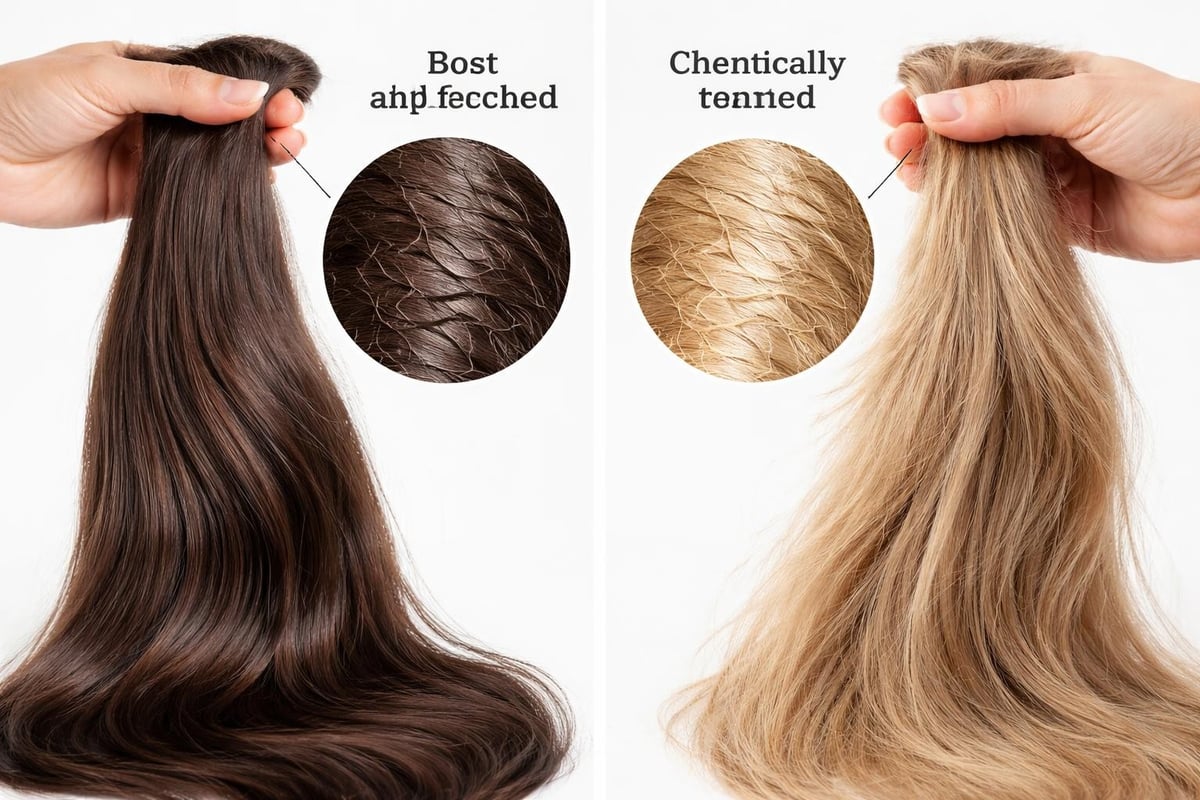
Raw hair represents the highest tier of quality in the hair extension and wig industry. Unlike processed alternatives, raw hair maintains its natural cuticle layer, ensuring longevity and a genuinely authentic appearance.
What Makes Raw Hair Different
Raw hair is collected from a single donor and remains completely unprocessed. This means the hair has never been exposed to chemical treatments, dyes, or steam processing. The cuticles remain intact and aligned in the same direction, preventing tangling and matting that commonly occur with lower-quality alternatives.
Key characteristics of premium raw hair:
- All cuticles aligned in one direction
- No chemical processing or alteration
- Single-donor sourcing for consistency
- Natural texture retention
- Extended lifespan (2-5 years with proper care)
- Ability to be colored, bleached, and heat-styled
The sourcing location significantly impacts hair characteristics. Vietnamese hair typically offers thickness and natural straightness, while Indian hair provides versatility with natural wave patterns. Burmese hair features defined curls with exceptional volume.
Identifying Quality Markers
When evaluating hair and wigs, several indicators reveal authentic quality. The weft construction should be tight and secure, with minimal shedding when running fingers through the hair. According to resources from the American Hair Loss Association, understanding hair construction fundamentals helps consumers avoid common purchasing mistakes.
| Quality Factor | Premium Indicator | Red Flag |
|---|---|---|
| Shedding | Minimal (5-10 strands) | Excessive when brushed |
| Cuticle Direction | All aligned | Mixed or stripped |
| Texture Consistency | Uniform root to tip | Varies throughout bundle |
| Chemical Smell | None or mild | Strong chemical odor |
| Price Point | Reflects sourcing cost | Suspiciously low |
Types of Hair Extensions and Wig Components
The hair and wigs industry offers numerous product categories, each serving specific styling needs and preferences. Understanding these distinctions helps you build a cohesive, natural-looking installation.
Bundle Extensions
Bundles form the foundation of most wig constructions and sew-in installations. These wefted sections typically measure 100 grams and come in various lengths from 10 to 30 inches. Quality bundles from raw hair collections maintain consistent thickness from weft to ends, a hallmark of single-donor sourcing.
Installation typically requires 3-4 bundles for a full head, though this varies based on desired volume and length. Shorter lengths (10-16 inches) may need fewer bundles, while lengths exceeding 24 inches often require additional bundles to maintain fullness.
Closures and Frontals
These lace pieces create natural-looking hairlines and partings. The primary distinction lies in coverage area:
Closures measure 4x4 or 5x5 inches, covering the crown area where bundles meet. They're ideal for center parts, side parts, or free parts within the lace area.
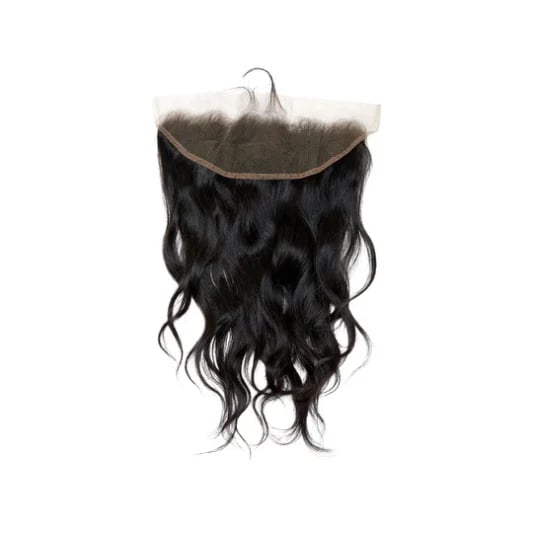
Frontals span ear to ear (typically 13x4 or 13x6 inches), providing versatile styling options including pulled-back styles, deep side parts, and varied parting positions. HD lace technology has revolutionized these pieces, offering ultra-thin, transparent lace that literally melts into any skin tone.
For those seeking the ultimate versatility with their installations, raw HD lace frontals and closures provide seamless blending that eliminates the obvious "wig line" that plagued earlier generations of hairpieces.
Clip-In Extensions
Clip-ins offer temporary volume and length without permanent commitment. These pieces feature secure clips attached to wefts, allowing for quick installation and removal. They're perfect for special occasions, experimentation, or supplementing natural hair volume.
The Evolution and Cultural Significance of Wigs
The history of wigs spans thousands of years, from ancient Egyptian ceremonial pieces to modern fashion statements. Understanding this evolution provides context for contemporary hair and wigs technology.
Historical Development
Ancient civilizations used wigs for status symbolism and practical sun protection. European courts in the 16th-18th centuries popularized elaborate powdered wigs as symbols of wealth and position. The 20th century brought democratization of wig wearing, making them accessible beyond elite circles.
Modern wig evolution milestones:
- 1950s-1960s: Synthetic fiber development
- 1970s: Introduction of lace front technology
- 1990s: Human hair quality standardization
- 2000s: HD lace invention
- 2010s-present: Raw hair market expansion
Christina Jenkins revolutionized the industry by inventing the hair weave technique in the 1950s, creating foundations for modern sew-in installations. Her innovation allowed for more secure, longer-lasting hair additions that moved naturally with the wearer.
Contemporary Applications
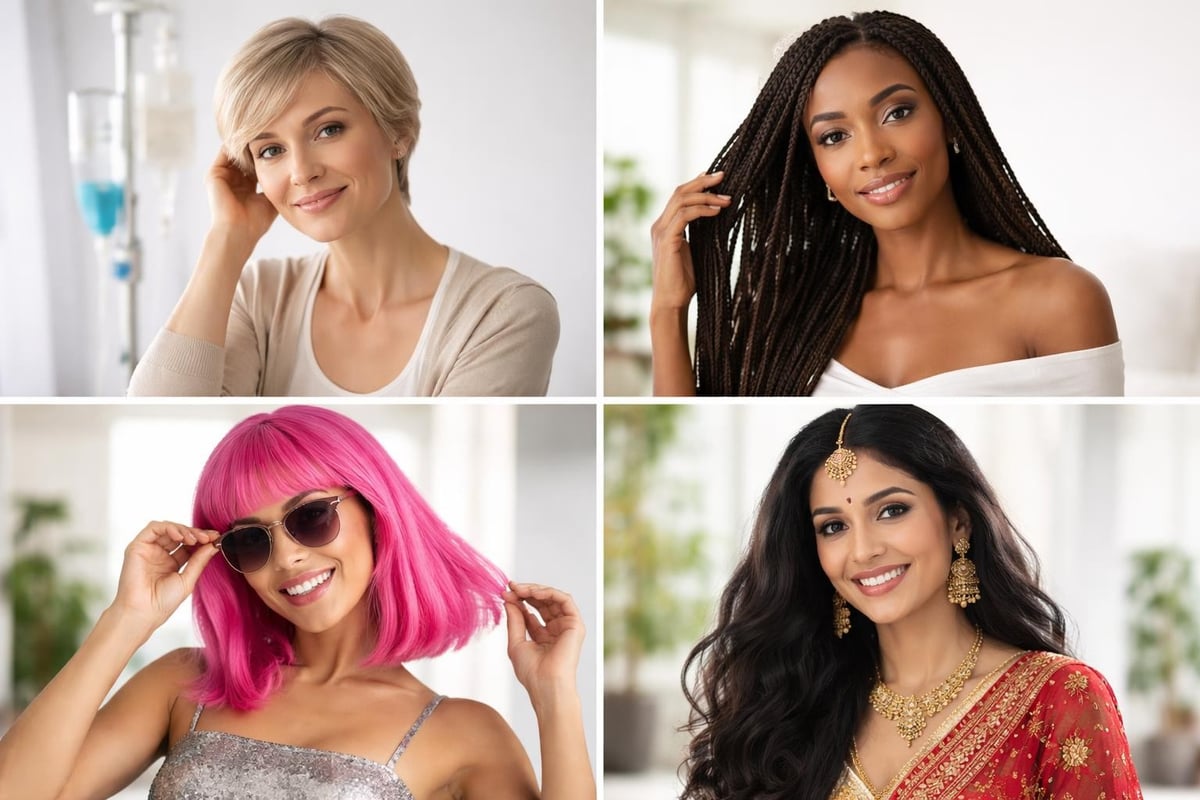
Today's hair and wigs serve multiple purposes beyond aesthetic enhancement. Medical hair loss from alopecia, chemotherapy, or other conditions has created a specialized market segment. Organizations provide wig resources for medical patients, including insurance coverage information and donation programs.
Fashion wigs enable rapid style changes without chemical processing or heat damage to natural hair. Protective styling with wigs gives natural hair rest periods, promoting growth and health. Many women maintain multiple wig units, rotating them like accessories to complement different outfits or occasions.
Selecting the Right Hair Texture and Origin
Geographic origin determines natural texture characteristics, making source selection crucial for achieving desired results. Each region produces hair with distinct qualities suited to specific styling preferences.
Vietnamese Hair Characteristics
Vietnamese hair ranks among the most sought-after for its naturally straight texture and exceptional thickness. The hair shaft diameter tends to be slightly wider than other Asian hair types, creating volume without excessive bulk.
This hair type excels in sleek, straight styles but accepts curling and waving beautifully. The natural shine level sits in the medium range, avoiding the overly glossy appearance that can look artificial. When sourced as raw hair, Vietnamese extensions can last 3-5 years with proper maintenance.
Indian Hair Properties
Indian hair offers unmatched versatility with its natural wave pattern and medium texture. The hair accepts color treatments exceptionally well, making it ideal for those wanting to customize their look with highlights, balayage, or complete color changes.
The natural body in Indian hair creates movement and bounce without requiring extensive styling. It blends seamlessly with most natural hair textures, particularly for individuals with naturally wavy or loosely curled hair patterns.
Burmese Hair Features
Burmese hair provides defined curl patterns with impressive volume and density. The natural curl formation ranges from loose waves to tight spirals, offering options for various textured looks.
This hair type particularly benefits individuals with naturally curly or coily hair, as the texture matching creates seamless integration. The fullness inherent in Burmese hair means fewer bundles may be needed to achieve desired volume compared to straighter textures.
| Origin | Natural Texture | Best For | Durability |
|---|---|---|---|
| Vietnamese | Straight, thick | Sleek styles, heat styling | Excellent (3-5 years) |
| Indian | Wavy, medium | Versatile styling, coloring | Very good (2-4 years) |
| Burmese | Curly, full | Textured looks, volume | Excellent (3-5 years) |
Installation Methods and Techniques
Proper installation determines both the appearance and longevity of hair and wigs. Multiple methods exist, each offering distinct advantages depending on lifestyle, natural hair condition, and styling goals.
Sew-In Installations
Traditional sew-in methods involve braiding natural hair into cornrows, then stitching wefts onto the braided foundation. This technique provides security and longevity, with installations typically lasting 6-8 weeks before requiring maintenance.
Steps for successful sew-in installation:
- Prepare natural hair with thorough washing and deep conditioning
- Create cornrow foundation in desired pattern
- Secure wefts beginning at the nape, working upward
- Install closure or frontal for natural hairline
- Customize parting and hairline as needed
- Seal wefts to prevent unraveling
Leave-out installations incorporate natural hair at the perimeter for enhanced realism. However, this requires heat styling the leave-out to blend with the extension texture, potentially causing damage over time.
Wig Construction and Application
Custom wig construction allows for pre-made units that can be applied and removed as needed. This method offers maximum flexibility and natural hair protection. Professional wig makers reference specialized resources for advanced construction techniques.
Glueless wig application has gained popularity, utilizing adjustable straps, combs, and elastic bands for security without adhesive. For those preferring adhesive methods, proper skin preparation and quality bonding products ensure comfortable, long-lasting wear.
Clip-In Application
Clip-in extensions require no professional installation, making them ideal for beginners or occasional use. Proper sectioning ensures secure placement and natural appearance:
- Section hair horizontally where clips will attach
- Tease roots slightly for grip enhancement
- Snap clips securely against the scalp
- Release hair over clips to conceal them
- Blend with natural hair using light styling
Maintenance and Care Guidelines
Extending the lifespan of hair and wigs requires consistent care practices. Raw hair's longevity advantage only materializes with proper maintenance protocols.
Washing Techniques
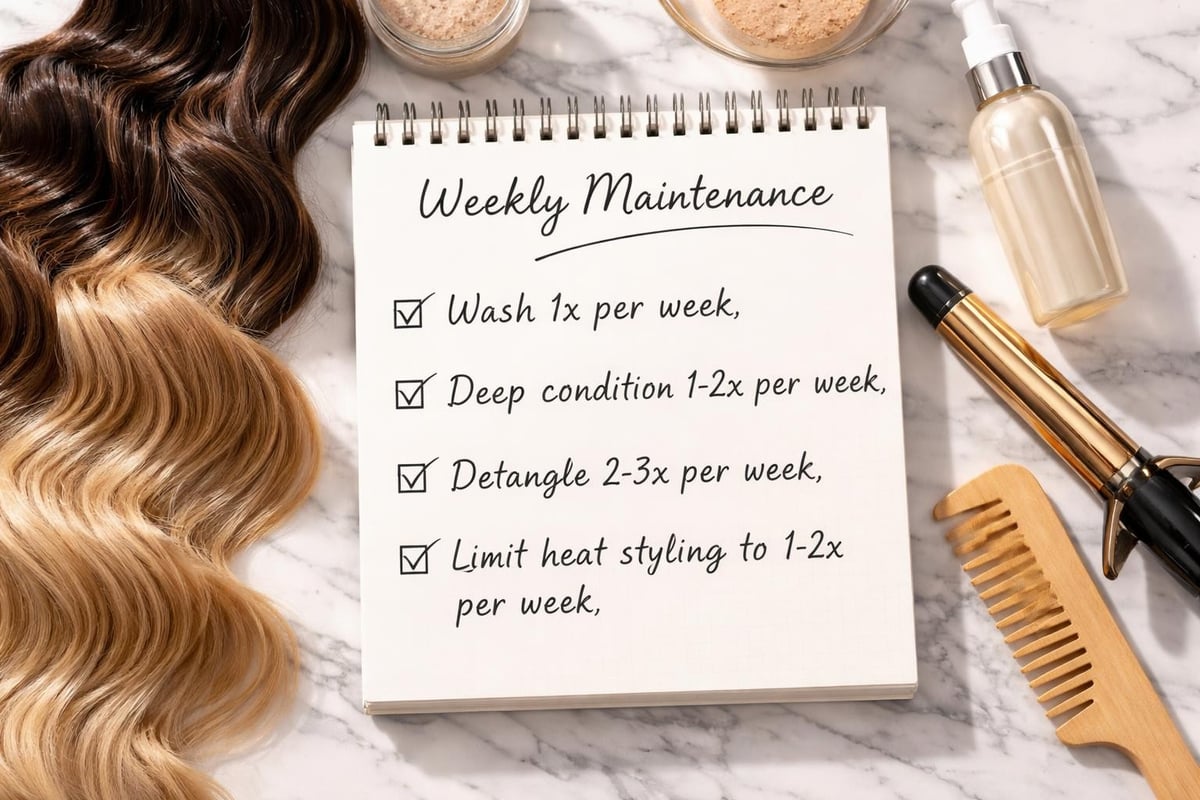
Frequency depends on wear schedule and product buildup, but generally ranges from every 7-14 days for regular wear. Over-washing strips natural oils that keep hair moisturized and manageable.
Proper washing procedure:
- Detangle thoroughly before wetting
- Use sulfate-free, pH-balanced shampoo
- Apply shampoo in downward motions following cuticle direction
- Rinse with lukewarm to cool water
- Apply deep conditioner mid-shaft to ends
- Leave conditioner 15-30 minutes under heat
- Rinse thoroughly and air dry when possible
Avoid circular scrubbing motions that cause tangling. For those exploring how to maintain raw hair properly, establishing a consistent routine prevents common issues like matting and excessive shedding.
Styling Best Practices
Heat styling remains safe for raw hair when using appropriate temperature settings and heat protectants. However, excessive heat accelerates wear and can alter natural texture patterns over time.
Recommended temperature ranges:
- Straight textures: 300-350°F
- Wavy textures: 280-320°F
- Curly textures: 250-300°F
Always apply heat protectant spray before thermal styling. Allow hair to cool completely before brushing or manipulating to set the style and prevent breakage.
Storage Solutions
Proper storage between wear sessions prevents tangling and maintains style integrity. For wigs not in rotation, wig stands or mannequin heads preserve shape and prevent creasing. Store in breathable bags or containers to avoid moisture buildup that encourages mildew.
Braid or twist longer extensions before storage to minimize tangling. Apply light oil to ends before storing to maintain moisture balance, particularly in dry climates.
Troubleshooting Common Issues
Even with quality hair and wigs, users occasionally encounter challenges. Recognizing signs of low-quality hair helps avoid problems, but addressing issues promptly prevents escalation.
Tangling and Matting
Tangling typically results from cuticle damage, moisture imbalance, or improper detangling technique. Raw hair with intact cuticles tangles less than processed alternatives, but all hair requires proper care.
Solutions for tangling:
- Detangle daily using wide-tooth comb, working from ends upward
- Apply leave-in conditioner to add slip and moisture
- Sleep with hair in protective styles (braids, buns)
- Use satin or silk pillowcases to reduce friction
- Increase deep conditioning frequency
Severe matting may require professional detangling services. Prevention through consistent maintenance proves far easier than correction.
Shedding Concerns
Minimal shedding (5-15 strands during brushing) is normal for any hair type. Excessive shedding indicates weft construction issues or improper handling.
Check weft integrity by gently tugging on hair near the weft. If hair slides out easily, the weft may be loosening. Professional weft sealing can prevent further shedding. For persistent issues, contact your supplier, as quality vendors stand behind their products.
Color and Texture Changes
Raw hair can be safely colored using professional products and techniques. However, lifting hair to platinum blonde requires careful processing to avoid damage. Most raw hair accepts color 2-3 shades darker than its natural state without bleaching.
Texture alterations from heat or chemical processing may be permanent. If your raw Indian wavy hair has been straightened and won't revert, it likely experienced cuticle damage. Protein treatments can strengthen hair structure but won't restore original texture once permanently altered.
Industry Trends and Innovations
The hair and wigs sector continues evolving with technological advancements and changing consumer preferences. Understanding current trends helps make forward-thinking purchasing decisions.
Transparent Lace Technology
HD lace represents the current pinnacle of lace frontal and closure technology. The ultra-thin, sheer lace literally disappears against skin, eliminating the need for tinting or bleaching knots. This innovation has made frontal installations accessible to beginners who previously struggled with lace customization.
Fifth-generation HD lace in 2026 offers improved durability compared to earlier versions, addressing the primary weakness of thinner lace materials. Proper handling and gentle washing still remain essential.
Glueless Wig Systems
Adhesive-free wig wearing has gained tremendous traction, driven by scalp health awareness and convenience factors. Modern glueless wigs incorporate multiple security features including adjustable straps, built-in combs, and elastic bands that distribute tension evenly.
For those interested in exploring complete units, raw HD lace wigs combine the convenience of pre-constructed units with the quality of raw hair and HD lace technology.
Sustainable Sourcing Practices
Ethical sourcing has become a significant consideration for conscious consumers. Reputable suppliers provide transparency about hair origin, collection methods, and compensation for donors. This ensures fair treatment of donors while maintaining supply chain integrity.
Single-donor raw hair naturally aligns with sustainable practices, as it requires no chemical processing and produces minimal environmental impact compared to synthetic alternatives or heavily processed hair.
Styling Hair and Wigs for Different Occasions
Versatility represents a primary advantage of quality hair extensions and wigs. Understanding how to style raw hair for various occasions maximizes your investment value.
Everyday Casual Styles
Simple, low-manipulation styles work best for daily wear, preserving hair quality while looking polished. Options include:
- Sleek low ponytails with smoothed edges
- Loose beach waves using braid-out techniques
- Half-up, half-down styles showcasing texture
- Natural air-dried texture with minimal product
These styles require minimal heat and product buildup, extending time between washing sessions.
Professional Settings
Workplace-appropriate styles balance polish with professionalism. Smooth, controlled looks typically suit most corporate environments:
- Straight, middle-parted styles
- Low buns secured at the nape
- Subtle waves with defined parts
- Pulled-back styles showing clean hairlines
HD frontals particularly excel in professional settings where close interaction makes obvious wigs problematic. The natural-looking hairline withstands scrutiny under various lighting conditions.
Special Events and Formal Occasions
Special events allow more dramatic styling showcasing hair quality and versatility. Consider:
- Voluminous curls created with flexi-rods or curlformers
- Intricate updo constructions with cascading tendrils
- Sleek, high ponytails with added length
- Deep side parts with vintage Hollywood waves
These styles often require heat styling and significant product use, so plan for thorough cleansing afterward to maintain hair health.
Building Your Hair Extension Collection
Strategic collection building ensures you have appropriate options for various needs without excessive spending. Consider starting with versatile foundations, then expanding based on actual usage patterns.
Essential Starter Pieces
A minimal collection addressing most situations includes:
- One closure or frontal in your preferred texture
- Three bundles in complementary lengths (layering creates natural taper)
- One set of clip-in extensions for volume on natural hair days
This foundation supports both permanent installations and temporary styling options. Choose a texture that complements your natural hair for seamless blending during transitional styling.
Expanding Your Options
As comfort with installations grows, additional pieces provide styling flexibility:
- Alternative texture for seasonal variation (straight in summer, curly in winter)
- Complete wig unit for protective styling periods
- Colored bundles or wigs for fashion experimentation
- Shorter length options for bob or lob styles
Quality pieces justify expansion investment because they remain usable for years. Building slowly with premium items outperforms rapid collection building with inferior products that require frequent replacement.
Investment Considerations
Calculate cost-per-wear when evaluating hair and wigs purchases. A $400 raw hair frontal unit worn 200 times over two years costs just $2 per wear. Compare this to $100 synthetic wigs requiring replacement every 2-3 months due to heat damage and tangling.
Starting a hair and beauty business represents another consideration for enthusiasts who develop expertise. Many successful stylists and wig makers began as consumers seeking quality solutions for personal use.
Working with Professional Stylists
Professional installation and maintenance services ensure optimal results, particularly for complex techniques or beginners developing their skills. Selecting qualified professionals impacts both immediate results and long-term hair health.
Finding Qualified Installers
Seek stylists with demonstrable experience in your chosen installation method. Request portfolio examples showing natural-looking results and diverse textures. Online reviews provide insight into consistency, customer service, and pricing transparency.
Specialists focusing on extensions and wigs typically outperform general stylists who offer these services peripherally. Professional development resources help stylists refine their technical skills, benefiting end consumers through improved service quality.
Communication Essentials
Clear communication prevents disappointment and ensures mutual understanding:
- Bring reference photos showing desired results
- Discuss lifestyle factors affecting style practicality
- Clarify maintenance expectations and capabilities
- Establish realistic timelines for installation completion
- Confirm pricing including labor and materials
Professional stylists appreciate clients who invest in quality hair, as superior materials enhance their work and client satisfaction. Many offer discounts on installation when clients provide their own hair, so factor this into cost comparisons.
Maintenance Appointments
Regular maintenance appointments every 6-8 weeks keep installations looking fresh and prevent damage to natural hair. These sessions typically include:
- Removal of existing installation
- Natural hair washing and deep conditioning
- Trim of extension ends if needed
- Reinstallation with adjusted positioning
- Frontal or closure replacement if showing wear
Consistent maintenance prevents matting at the base and allows monitoring of natural hair health underneath protective styles.
Educational Resources and Continued Learning
The hair and wigs industry evolves constantly, making ongoing education valuable for both consumers and professionals. Multiple resources support knowledge expansion.
Online Learning Platforms
Comprehensive wig information guides cover everything from basic terminology to advanced styling techniques. Video tutorials demonstrate installation methods, allowing visual learning that complements written instructions.
Social media platforms host communities sharing styling inspiration, product reviews, and troubleshooting advice. However, verify information against reputable sources, as misinformation circulates freely alongside legitimate expertise.
Industry Publications and Books
Professional resources delve deeper into hair science, business practices, and advanced techniques. While primarily aimed at industry professionals, dedicated consumers benefit from understanding the technical aspects of hair construction and care.
Hands-On Workshops
In-person training offers unmatched learning value through direct observation and practice under expert guidance. Many beauty supply stores and professional organizations host workshops on installation techniques, wig construction, and business development.
Workshops also provide networking opportunities with other enthusiasts and professionals, potentially leading to mentorship relationships or business collaborations.
Understanding the intricacies of hair and wigs empowers you to make informed decisions that enhance both your appearance and confidence while protecting your investment. Whether you're seeking protective styling solutions, exploring fashion versatility, or addressing hair loss concerns, quality raw hair extensions provide unmatched authenticity and longevity. Candal Beauty specializes in ethically sourced raw Vietnamese, Indian, and Burmese hair, offering bundles, HD lace closures, frontals, and complete wig units with worldwide shipping to support your hair journey wherever you are.


